International Investigations Highlight Gaza Humanitarian Crisis as Aid Distribution, Civilian Protection, and Press Freedom Remain Under Global Scrutiny
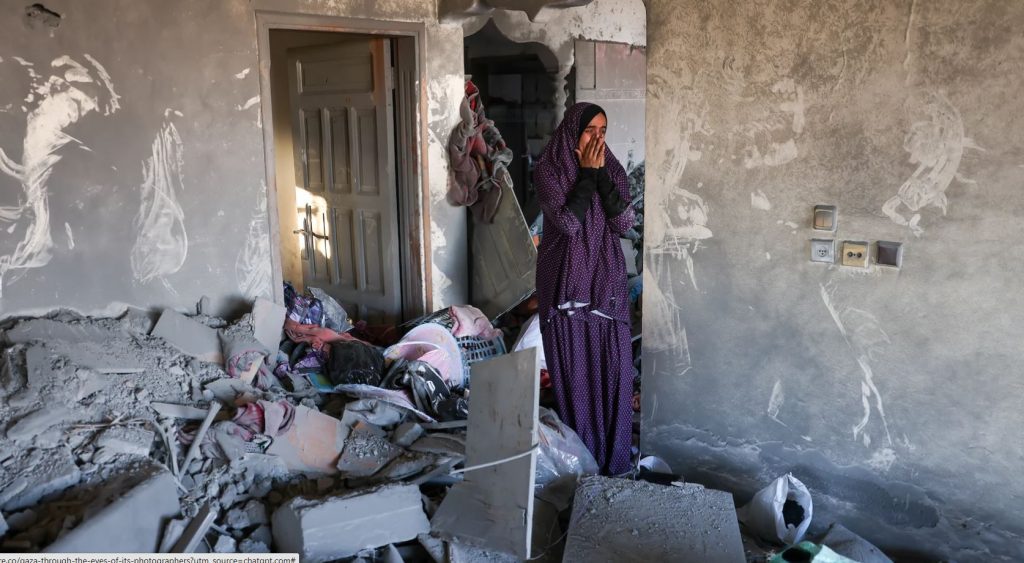
UN OCHA Gaza Through the Eyes of Its Photographers
International Investigation Focuses on Gaza Humanitarian Crisis as Aid Access, Civilian Protection, and Press Freedom Draw Global Attention
July 25, 2026 | International Desk
The humanitarian situation in the Gaza Strip continues to draw close international attention as humanitarian agencies, press freedom organizations, and investigative journalists monitor developments related to aid delivery, civilian protection, and access to independent reporting.
International relief agencies have warned that funding shortages could significantly reduce food assistance available to vulnerable communities in Gaza unless additional donor support is secured. Humanitarian organizations say financial constraints, combined with operational challenges, remain major obstacles to maintaining relief efforts.
Recent food security assessments also indicate that a large share of Gaza’s population could continue to experience acute food insecurity through the remainder of the year. Although humanitarian indicators improved following the 2025 ceasefire, aid organizations caution that those gains remain fragile because of damaged infrastructure, funding limitations, and logistical constraints affecting humanitarian operations.
Israeli authorities state that humanitarian assistance has continued to enter Gaza following the ceasefire and maintain that measures have been taken to facilitate aid deliveries. At the same time, United Nations agencies and humanitarian organizations report that access restrictions, security conditions, and logistical difficulties continue to affect the distribution of relief supplies in several areas.
The protection of journalists remains another issue under international scrutiny. Press freedom organizations continue documenting incidents involving media workers while emphasizing the importance of independent reporting in conflict zones. Limited access and security risks continue to make on-the-ground verification difficult for many international news organizations.
Meanwhile, international investigative and accountability mechanisms continue gathering information concerning alleged violations of international humanitarian law by parties to the conflict. These inquiries remain ongoing, and no final legal determinations have been issued.
As humanitarian needs persist, international organizations continue calling for greater protection of civilians, sustained humanitarian access, respect for international humanitarian law, and stronger safeguards for journalists reporting from conflict-affected areas.
Reporting by MuhammadAriLaw News
Sources: United Nations agencies, World Food Programme (WFP), Integrated Food Security Phase Classification (IPC), Office for the Coordination of Humanitarian Affairs (OCHA), Committee to Protect Journalists (CPJ), and official public statements from relevant authorities.